
TL;DR
Marketers must evolve their SEO strategies in 2026 to address Google SERP layouts that feature multiple dynamic sections (AI overview, snippets, images, videos, “People Also Ask,” and local listings). User intent drives which SERP features appear, and zero-click searches now dominate, meaning organic traffic is harder to win. Marketers compete not only with brands but also with Google’s own content and must build authority to be referenced in AI summaries. Optimizing for visibility in diverse SERP sections and understanding searcher intent at all buying stages are now top priorities.
The 2026 SERP (Search Engine result page) design is no longer the same as it was five years ago. The page design has changed over the years because of Google’s continuous effort to deliver value to “the Searcher.”
It is also prompting the SEO marketer within every organisation’s marketing team to rethink SEO as a key digital marketing strategy for customer outreach.
How has the new SERP design evolved in 2026?
- It is no longer about two sections in the SERP design, one for paid results with three results, and the other for organic results with ten results, which made it easier for marketers to grab a percentage share of search engine impression potential for a keyword. At least there was some guarantee that one could drive traffic to their website if they were ranking well for a keyword.
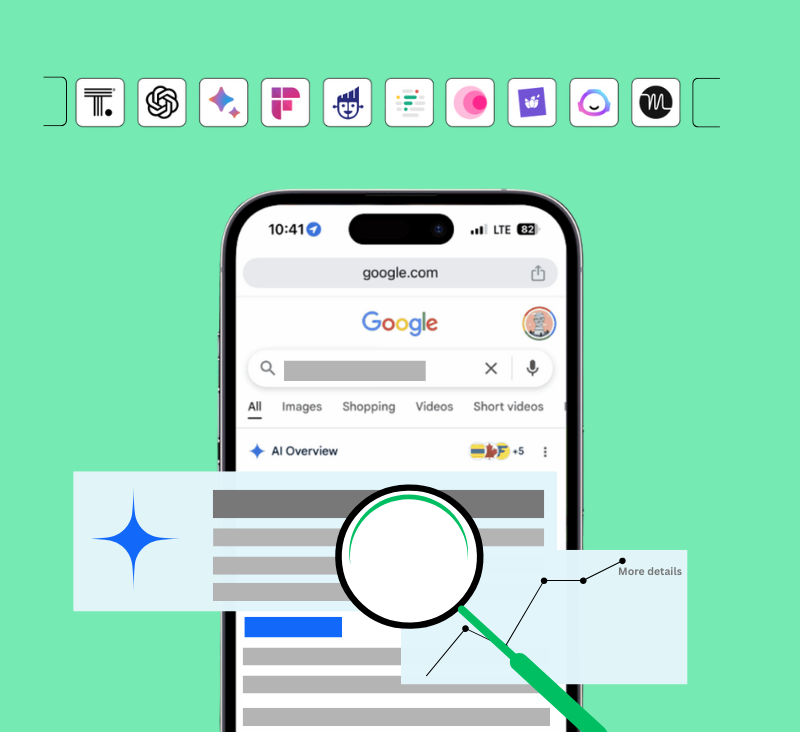
- The 2026 SERP design has more sections than the two that existed previously. The additional sections are AI overview, Snippet, Image results, Video results, Knowledge panel, “People also ask” section & local business listing.
- In fact, the SERP sections may not be the same in 2026, but it largely depends on how the Google Algorithm interprets the searcher’s intent. Additionally, we have observed that sections may change based on the device the searcher uses to further personalise the SERP.
Changing searcher behaviour under the new SERP design regime
- A recent NP digital study reveals that zero-click searches have increased in number, now accounting for 59.24% of SERP clicks, as Google directly satisfies user intent. A common thing to notice when the search intent for the keywords is informational is that your customers are doing so at the early stage of their buying journey. However, the best part is that the buying intent of customers visiting your website increases, and that is driving more traffic from branded keywords. (Keywords representing your brand name)
- The CTR profile has completely changed on SERPs. A recent study by First Sage Page shows the following CTR profiles on different sections of the new SERP design.
| Search Section | CTR |
|---|---|
| Snippet | First 42.9% and 2nd 27.4% |
| AI Overview | First 38.9% and 2nd 29.5% |
| Column 1 Value 3 | Column 2 Value 3 |
| #1 Organic Result | 39.8% |
| Ad Result | 1.2% to 2.1% |
| Image Result | 1.4% to 4.9% |
| Video Result | 2.3% to 6.4% |
| “People also ask” Box | 3.0% |
| Knowledge Panel | 1.3% |
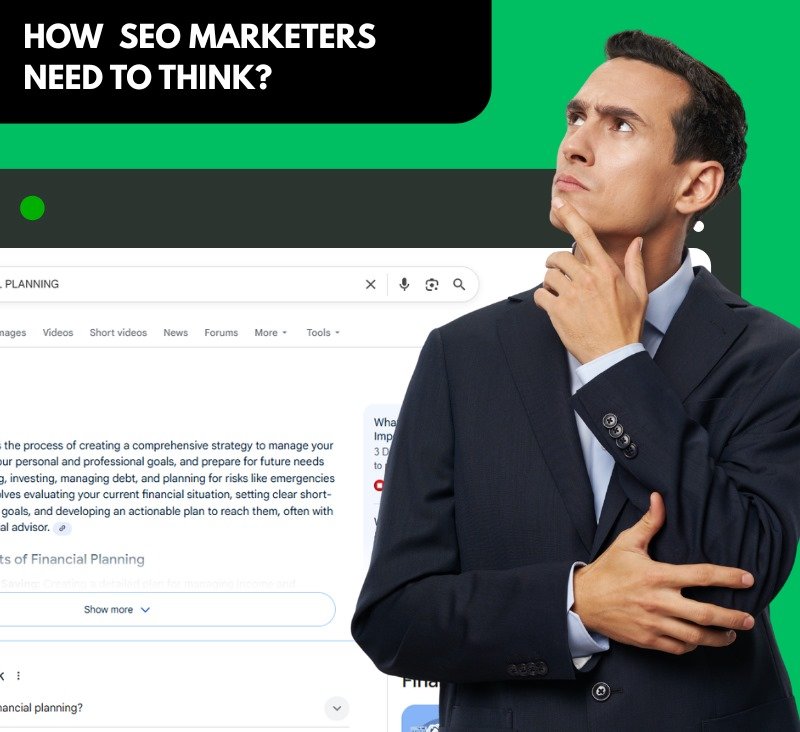
Two things a modern SEO marketer needs to think about:
- Google is not just a platform to market, it is now a publisher, the source, and the destination. You are not just competing with brands to attract attention, but also competing with Google for a share of the traffic.
- If you want to win the game, you need to influence people to get summarised, not just rank. It’s about building brand authority in the industry they operate in. Your website’s content is being referenced on AI overviews and featured snippets on SERPs, which is a great way to solidify the brand’s equity.
- The marketer needs to understand the searcher’s intent. The stage of the buying decision defines the keywords they use to conduct a Google search. That’s what the Google algorithm aims to achieve when it generates a SERP for a search query, and that’s how the marketer has to rewire their search marketing efforts.